














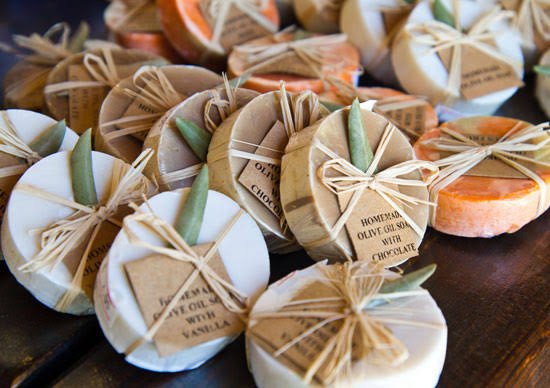
Natural soap making combines base ingredients and additives to produce solid cleansing bars. It allows you to create gifts for family and friends, and you can also package and sell the soap through your small business. Understanding the soap making supplies used in this process enables you to adjust formulations and create varied designs beyond basic recipes. Here are some key ingredients for crafting natural soaps:
Soap Bases
Soap bars often start with a base, which you can create by mixing natural oils, butters, and other plant- or naturally derived ingredients with lye. In cold- and hot-process methods, this mixture undergoes saponification; this turns the oils and other ingredients into a solid bar. You can also add specialty soap making supplies, raw materials, or hydrosols at this stage to influence the texture and lather.
Pre-made melt-and-pour bases are another natural option, depending on the ingredients. This method skips the saponification step; you melt the base, mix in additives, and pour the liquid into silicone molds. These ready-made bases allow for quick production and customization. The type of base you select helps shape the characteristics of your natural soap. You can also prepare large soap loaves and then cut them into the desired sizes and shapes.
Essential Oils
When making natural soap, choose essential oils and other plant-derived fragrance ingredients. Options include:
- Lavender
- Peppermint
- Eucalyptus
- Lemon
- Sage
Selecting an appropriate fragrance helps the scent perform well in the finished soap, and it can minimize issues such as scent loss or discoloration. Always follow the supplier’s recommended usage rate and application guidelines. You can also adjust your scent profile according to the season or occasion. Natural fragrance options provide scents that correspond with spring, summer, fall, and winter, as well as holidays like Christmas and Valentine’s Day. Essential oils and other botanical ingredients can provide plant-based aromas, but they should be selected and used according to appropriate soap making and safety guidelines.
Color Additives
Soap makers are able to choose color additives based on the opacity, vibrancy, and finish they want. Some mica powders are all-natural. They can add shimmer, metallic, or pearlescent effects that help reflect light and give the soap a multidimensional look. Clays and other mineral-based colorants provide subtle, earthy tones; they also impact the texture of the soap base. Botanical ingredients, such as herbs and plant powders, can provide additional natural colors and visual interest. Combine different natural coloring methods to create layered patterns, swirls, and multicolored bars.
Possible soap colors include:
- Blue
- Purple
- White
- Brown
- Red
- Yellow
Dried Botanicals
Dried botanicals help add texture to your soap, and they serve as natural decorative details. You might mix them into liquid soap or sprinkle them on the surface before a bar hardens. These additives include stems, crushed leaves, flower petals, and other plant materials. Using dried rather than fresh botanicals may prevent mold and keep the soap stable as it cures. Seeds are another option because they introduce a granular texture to the soap. Adding spices helps create a subtly earthy color, and it may result in a speckled, rustic look.
Explore Soap Making Supplies
Stocking a wide range of soap making supplies allows you to create unique natural products. Whether you plan to use the soaps yourself or sell them in a shop, having the right ingredients and tools helps you customize each batch. You can create signature scents and color designs, which allows you to showcase your personal style. You’re also able to personalize your soap’s packaging; labels let you highlight the scent and natural ingredients in each creation. Explore high-quality soap making supplies to find the materials that fit your process.